
စတော့နှင့် ETF အခြေခံ
Binance Stock၊ ETF၊ bStocks နဲ့ Perpetual ဘာကွာသလဲ
Binance Stocks၊ ETF share၊ bStocks နဲ့ perpetual လေးမျိုးကို ပိုင်ဆိုင်ခွင့်၊ သိမ်းဆည်းပုံ၊ ပြန်ရောင်းထွက်ပုံနဲ့ 1,000 USDT တူညီစွာထည့်ရင် ကုန်ကျစရိတ် ဘယ်လိုကွာလဲဆိုတာ နှိုင်းပြထားပါတယ်။
Binance တွင် “stock” သို့မဟုတ် “ETF” ဟု မြင်ရတိုင်း တူညီသောပိုင်ဆိုင်မှုကို ဝယ်နေခြင်းမဟုတ်ပါ။ 2026 ခုနှစ်တွင် Binance ecosystem အတွင်း Binance Stocks Trading, ETF shares, bStocks tokenized securities နှင့် stock/ETF perpetual contracts ဟူသော ဖွဲ့စည်းပုံမတူသည့် product များကို တွေ့နိုင်သည်။ အမည်နီးစပ်သော်လည်း ပိုင်ဆိုင်ခွင့်၊ custody၊ settlement၊ cost နှင့် forced-exit risk မတူပါ။
ဤဆောင်းပါးသည် ပညာပေးအတွက်သာ ဖြစ်ပြီး ရင်းနှီးမြှုပ်နှံမှုအကြံမဟုတ်ပါ။ Product ရရှိနိုင်မှုသည် နိုင်ငံ၊ KYC၊ account entity နှင့် Binance ၏ လက်ရှိစည်းမျဉ်းများပေါ် မူတည်သည်။ မရရှိနိုင်သော feature ကို VPN သို့မဟုတ် မှားယွင်းသော နိုင်ငံအချက်အလက်ဖြင့် မကျော်လွှားပါနှင့်။
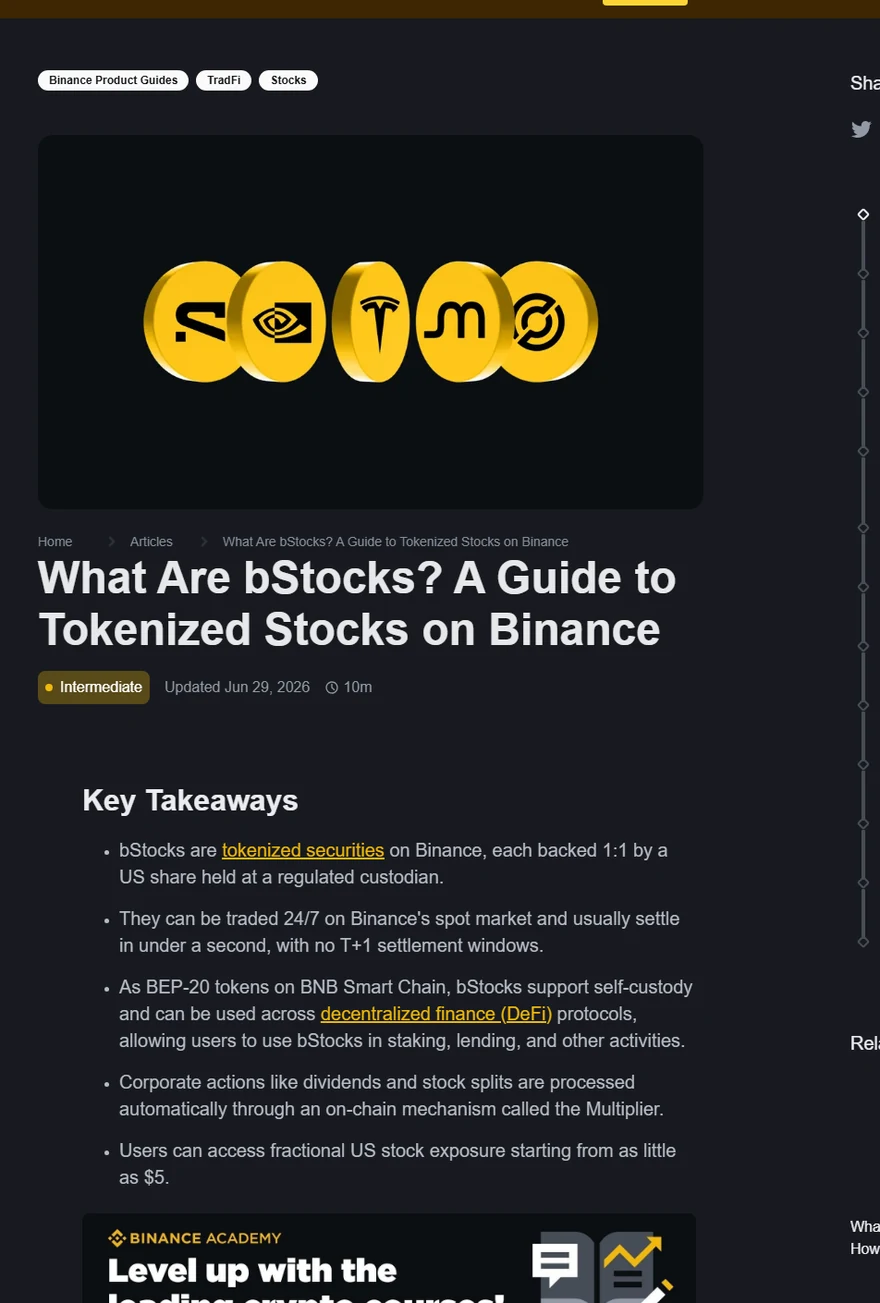
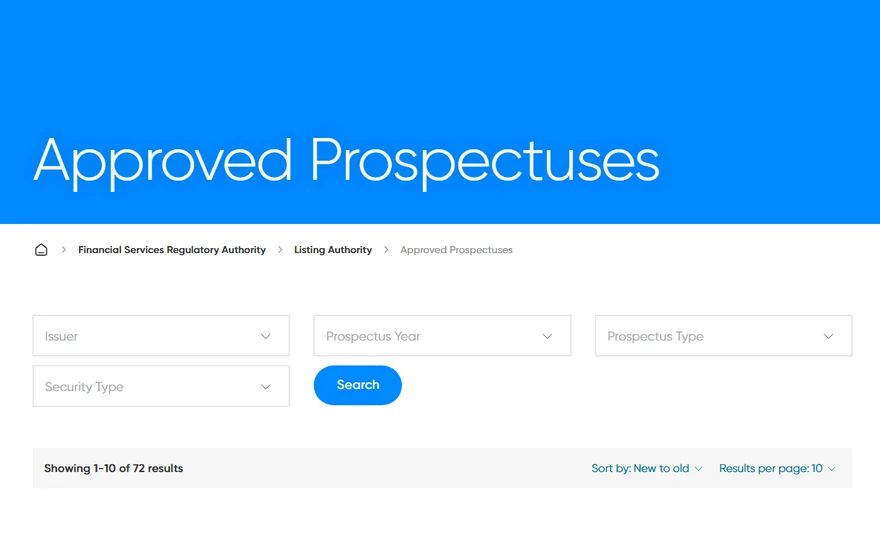
Binance Academy ၏ real webpage screenshot။ Screenshot: 2026-08-27. Guide သည် 2026-06-29 dated snapshot ဖြစ်ပြီး လက်ရှိ eligibility၊ exact contract သို့မဟုတ် prospectus ကိုအစားမထိုးပါ။ Official source
Product ကို ခွဲဖို့ ပထမဆုံးကြည့်ရမည့်အချက် 6 ချက်
Order မတင်မီ screen ပေါ်တွင် အောက်ပါခြောက်ချက်ကိုရှာပါ။
- Product label — Stocks၊ Spot၊ bStocks သို့မဟုတ် Futures/TradFi Perps လား။
- Symbol format — Company ticker လား၊ token pair လား၊
USDTperpetual pair လား။ - Ownership wording — Beneficial ownership၊ certificate သို့မဟုတ် derivative ဟု ဘယ်လိုဖော်ပြထားသလဲ။
- Settlement/collateral — USDC settlement၊ BSC token သို့မဟုတ် USDT margin လား။
- Risk controls — Funding၊ leverage၊ margin နှင့် liquidation price ရှိသလား။
- Exit route — Broker sale၊ token market/withdrawal သို့မဟုတ် reduce-only contract close လား။
Company name တူသလိုမြင်ရုံဖြင့် product တူမည်ဟု မယူဆပါနှင့်။ MSTR share၊ tokenized MSTR-linked certificate နှင့် MSTRUSDT perpetual တို့၏ legal/economic meaning မတူနိုင်သည်။
1. Binance Stocks Trading — စတော့နှင့် ETF ကို တိုက်ရိုက်ဝယ်ယူခြင်း
Binance Academy ၏ တရားဝင်ရှင်းလင်းချက် အရ ဤဝန်ဆောင်မှုသည် eligible users ကို listed stocks နှင့် ETFs များ ဝယ်ရောင်းနိုင်စေပြီး Nest Trading Limited နှင့် external brokerage partner တို့က ပံ့ပိုးသည်။ Order ကို Binance interface မှပေးပို့သော်လည်း crypto spot token ဝယ်သကဲ့သို့ မဟုတ်ပါ။
Official guide ၏ 2026-06-04 snapshot အရ—
- Listed stocks/ETFs 7,000 ကျော်ရရှိနိုင်သည်ဟုဖော်ပြထားသည်။
- US$5 မှစတင်နိုင်သည်။
- ပုံမှန်အားဖြင့် USDC ဖြင့် settlement လုပ်သည်။
- Supported asset အချို့ကို order ပေးချိန် auto-convert လုပ်နိုင်သည်။
- Selected stocks တွင် fractional shares ရှိနိုင်သည်။
- Asset အလိုက် regular၊ extended သို့မဟုတ် 24/5 session ရှိနိုင်သည်။
- Holder ကို beneficial owner အဖြစ်ဖော်ပြပြီး dividend/corporate action eligibility ရှိနိုင်သည်။
Catalog size၊ fees နှင့် session ကို permanent မယူပါနှင့်။ Account eligibility၊ symbol availability နှင့် live order preview ကို final source အဖြစ်ယူရသည်။
2. ETF share ဆိုတာ
ETF သည် stocks၊ bonds သို့မဟုတ် အခြား assets အစုကို fund structure အောက်တွင်ကိုင်ထားပြီး investor က fund share ကိုဝယ်ရောင်းခြင်းဖြစ်သည်။ ETF share holder သည် underlying company တစ်ခုချင်း၏ direct share ကိုကိုယ့်နာမည်ဖြင့်ကိုင်ခြင်းမဟုတ်ဘဲ fund portfolio အပေါ်အချိုးကျ interest ရသည်။
ETF ကိုစစ်ရာတွင်—
- Investment objective/index
- Holdings နှင့် top concentration
- Expense ratio
- Bid-ask spread/liquidity
- Tracking difference
- Premium/discount to NAV
- Domicile/currency/tax
- Traditional၊ leveraged သို့မဟုတ် inverse structure
ကိုဖတ်ပါ။ Diversification ရှိသည်ဆိုပြီး market loss၊ sector concentration သို့မဟုတ် currency risk ပျောက်မည်မဟုတ်ပါ။
3. bStocks — token အဖြစ်ထုတ်ထားသော စတော့လက်မှတ်
Binance Academy ၏ bStocks လမ်းညွှန် အရ bStocks သည် BTech Holdings Limited က ထုတ်ပေးသော tokenized certificates ဖြစ်ပြီး underlying US share နှင့် 1:1 backing ပြုထားသည်။ bStocks သည် underlying company ၏ direct stock/share မဟုတ်ပါ။
- Direct voting/shareholder meeting rights မရနိုင်ပါ။
- Dividend ကို cash ဖြင့်မပေးဘဲ applicable withholding ဖြတ်ပြီး reinvest လုပ်ကာ Multiplier ဖြင့် balance တိုးနိုင်သည်။
- BNB Smart Chain ပေါ် BEP-20 token အဖြစ် self-custody withdrawal ရနိုင်သည်။
- Issuer၊ custodian၊ smart contract၊ network၊ wallet နှင့် liquidity risk ရှိသည်။
- Permitted jurisdictions ရှိ eligible users သာသုံးနိုင်ပြီး US persons အတွက်မရနိုင်ကြောင်း official disclaimer ကဆိုထားသည်။
“1:1 backed” ကို “price တိတိကျကျတူမည်”၊ “အချိန်တိုင်း redeem လုပ်နိုင်မည်” သို့မဟုတ် “issuer risk မရှိ” ဟု မဖတ်ပါနှင့်။
4. Stock perpetual — ကုမ္ပဏီတစ်ခု၏ စျေးနှုန်းကို ခြေရာခံသော contract
Stock perpetual သည် individual company share price ကိုခြေရာခံသော derivative ဖြစ်သည်။ Binance stock perpetual လမ်းညွှန် ၏ 2026-04-23 snapshot အရ stock TradFi Perps များသည် USDT settlement၊ 24/7 trading၊ leverage 10x အထိနှင့် 8-hour funding mechanism ရှိသည်ဟုဖော်ပြထားသည်။ Specs ပြောင်းနိုင်သည်။
Trader သည် share မပိုင်သဖြင့် voting/dividend right မရပါ။ Margin လျော့လျှင် liquidation ဖြစ်နိုင်ပြီး underlying market ပိတ်ချိန် basis၊ low liquidity နှင့် reopen gap risk ရှိသည်။ Long/short နှစ်ဘက်လုံးတွင် loss မြန်နိုင်သည်။
5. ETF perpetual — ETF စျေးနှုန်းကို ခြေရာခံသော contract
ETF perpetual သည် SPY၊ QQQ၊ EWY သို့မဟုတ် EWJ ကဲ့သို့ ETF/reference exposure ကိုလိုက်သော derivative ဖြစ်နိုင်သည်။ Fund share မပိုင်ဘဲ USDT-margined contract ကို long/short လုပ်ခြင်းဖြစ်သည်။
Underlying ETF က diversified ဖြစ်နိုင်သော်လည်း perpetual leverage၊ funding၊ collateral နှင့် liquidation risk ကိုမဖျက်ပေးပါ။ Underlying က leveraged/inverse ETF ဖြစ်ပါက ETF အတွင်း daily leverage နှင့် perpetual leverage ပေါင်းပြီး compounded risk ဖြစ်နိုင်သည်။
Comparison level ကိုတစ်မျိုးတည်းထားပါ
ဤဆောင်းပါးရှိ ETF share သည် traditional broker/cash-market မှဝယ်သည့် ordinary ETF share ကိုဆိုလိုသည်။ Binance Stocks မှ ETF exposure ရလျှင် ownership၊ beneficial-holder record၊ custody နှင့် exit rule ကို ထို service ၏ current terms ဖြင့်စစ်ရမည်—သီးခြား “Binance ETF legal product” ဟုမယူဆပါနှင့်။ ETF perpetual ကတော့ ETF share မဟုတ်သော derivative contract ဖြစ်သည်။
| တူညီသောမေးခွန်း | Traditional stock/ETF share | bStock | Stock/ETF perpetual |
|---|---|---|---|
| ဘာကိုကိုင်သလဲ | Broker record ထဲရှိ share/beneficial interest | Issuer ထုတ် certificate/tokenized security; direct registered share မဟုတ် | Exchange နှင့် derivative contract |
| Issuer / service layer | Company/fund + broker/custodian | Underlying issuer + BTech issuer + custodian/broker + platform/wallet | Contract venue + index/mark methodology |
| Backing / custody | Broker statement နှင့် securities custody terms | Current prospectus + proof/transparency report + token supply | 1:1 share backing မရှိ; margin collateral နှင့် contract rules |
| Voting / shareholder rights | Instrument နှင့် broker terms အတိုင်း ဖြစ်နိုင် | Direct shareholder right ဟုမယူဆ; prospectus ကိုဖတ် | Shareholder voting right မရှိ |
| Corporate actions | Broker/fund process | Issuer/platform notice နှင့် Multiplier mechanism | Contract specification/price/index treatment |
| Exit | Market sell/transfer, broker rule အတိုင်း | Spot sell၊ eligible conversion သို့မဟုတ် supported withdrawal—current state စစ် | Close/offset; liquidation risk ရှိ |
| Insolvency claim | Account agreement နှင့် local law | Prospectus၊ issuer/custodian structure နှင့် local law | Derivatives agreement၊ collateral/risk-engine rule |
Insolvency outcome ကို table တစ်ခုကအာမခံမပေးနိုင်ပါ။ Exact instrument ၏ current agreement/prospectus ကိုမဖတ်ဘဲ “share backing ရှိလို့ share owner နဲ့တူသည်” သို့မဟုတ် “custodian ရှိလို့ risk မရှိ” ဟုမဆုံးဖြတ်ပါနှင့်။
အပြည့်အစုံနှိုင်းယှဉ်ချက်
| မေးခွန်း | Binance Stocks | ETF share | bStocks | Stock/ETF Perpetual |
|---|---|---|---|---|
| Legal/economic form | Brokerage-based security trading | Fund share | Tokenized certificate/security | Derivative contract |
| Underlying ကိုတိုက်ရိုက်ပိုင်သလား | Beneficial ownership structure | Fund portfolio interest | Direct company share မဟုတ် | မပိုင် |
| Dividend | Security/terms အလိုက် | Fund policy အလိုက် | Net reinvestment/Multiplier | Shareholder dividend right မရှိ |
| Voting right | Terms/custody ကိုစစ်ရန် | Fund shareholder rule အလိုက် | Direct company vote မရှိ | မရှိ |
| Settlement | ပုံမှန် USDC | Broker currency | Token market/BSC | USDT margin/settlement |
| Leverage | Share order တွင် perpetual leverage မရှိ | Cash share တွင်မလို | Spot token structure | ရှိနိုင် |
| Funding | မရှိ | မရှိ | မရှိ | Periodic funding ရှိနိုင် |
| Liquidation | Cash share တွင်ပုံမှန်မရှိ | Cash share တွင်ပုံမှန်မရှိ | ပုံမှန် spot token တွင်မရှိ | Margin မလုံလောက်လျှင်ရှိ |
| Trading clock | Asset/session အလိုက် 24/5 အထိ | Exchange/session အလိုက် | Platform market အလိုက် 24/7 ဖြစ်နိုင် | Platform rule အလိုက် 24/7 |
| On-chain withdrawal | မဟုတ် | မဟုတ် | BNB Smart Chain support ရှိနိုင် | Contract position ကိုမထုတ်နိုင် |
| Forced restriction | Broker/platform/legal | Broker/exchange | Issuer/platform/compliance | Risk engine/spec changes |
| အဓိက risk | Market၊ broker၊ custody၊ FX | Market၊ fund၊ tracking၊ liquidity | Issuer၊ custody၊ chain၊ liquidity | Leverage၊ funding၊ basis၊ liquidation |
1,000 USDT တူညီစွာထည့်လျှင် ကုန်ကျစရိတ် ဘယ်လိုကွာသလဲ
အောက်ပါကိန်းများသည် product cost ကို တူညီသောအခြေခံပေါ်တွင်နှိုင်းရန် teaching assumptions သာဖြစ်သည်။ Path အားလုံးကို 24 နာရီကိုင်ပြီး platform/broker balance ထဲရှိ cash/settlement balance အဖြစ်ပိတ်ကာ external withdrawal မလုပ်သည့် တူညီသော terminal state ဖြင့်နှိုင်းသည်။ Underlying reference value +5% တက်ပြီး ideal gross gain 1,000 × 5% = 50 USDT ဟုယူဆပါ။ Dividend၊ tax၊ FX၊ ETF expense ratio နှင့် external withdrawal/network cost ကို ဤ 24-hour example မှဖယ်ထားသည်။ Assumed fee၊ spread၊ funding နှင့် slippage များသည် live rate သို့မဟုတ် investment return မဟုတ်ပါ။
| Path | Assumed cost | Estimated net result |
|---|---|---|
| Traditional stock/ETF share | Total commission + spread + exit trading cost 3 USDT | 50 − 3 = 47 USDT |
| bStock | Premium/discount + spread execution shortfall 8 USDT; assumed platform trading cost 4 USDT; withdrawal cost 0 | 50 − 8 − 4 = 38 USDT |
| Perpetual | Entry 1,000 × 0.05% = 0.500; exit 1,050 × 0.05% = 0.525; funding 1,000 × 0.01% × 3 eight-hour intervals = 0.300; slippage 1.200 | 50 − 0.500 − 0.525 − 0.300 − 1.200 = 47.475 USDT |
Perpetual path တွင် supporting margin 200 USDT ဟုယူဆပါက starting effective leverage သည် 1,000 ÷ 200 = 5x၊ estimated net return on starting margin သည် 47.475 ÷ 200 = 23.7375% ဖြစ်သည်။ ဤကိန်းတွင် liquidation၊ collateral movement နှင့် adverse gap မပါသေးပါ။
Main table သည် path သုံးခုလုံးကို external withdrawal မလုပ်သည့် terminal state ဖြင့်နှိုင်းထားသည်။ bStock ကို self-custody သို့ထုတ်မည်ဆိုပါက network/withdrawal cost 4 USDT ဟုသီးခြားယူဆသော branch တွင် net result = 38 − 4 = 34 USDT ဖြစ်မည်; အခြား path ကိုလည်းတူညီသော external-transfer terminal state သတ်မှတ်မှသာ main comparison ထဲပြန်ထည့်ပါ။ 1:1 backing ရှိခြင်းသည် secondary-market bid/ask၊ premium/discount သို့မဟုတ် execution shortfall ကိုပယ်ဖျက်မပေးပါ။ Net result တူလျှင်တောင် legal rights၊ custody chain၊ liquidation risk နှင့် exit path မတူပါ။
Total cost ကို ဘယ်လိုနှိုင်းမလဲ
Product price တစ်ခုတည်းမကြည့်ပါနှင့်။
Binance Stocks/ETF share
- Platform/broker fee
- Bid-ask spread နှင့် slippage
- Conversion/FX cost
- Fund expense ratio (ETF အတွက်)
- ADR၊ dividend withholding သို့မဟုတ် tax
bStocks
- Trading spread/fee
- Withdrawal/network fee
- Conversion/redemption cost
- Dividend withholding
- Liquidity/basis cost
Perpetual
- Entry/exit trading fee
- Spread/slippage
- Periodic funding
- Collateral conversion/haircut
- Liquidation/forced-close risk
Holding period တူလည်း cost structure မတူသောကြောင့် percentage တစ်ခုတည်းနှိုင်းမထားပါနှင့်။
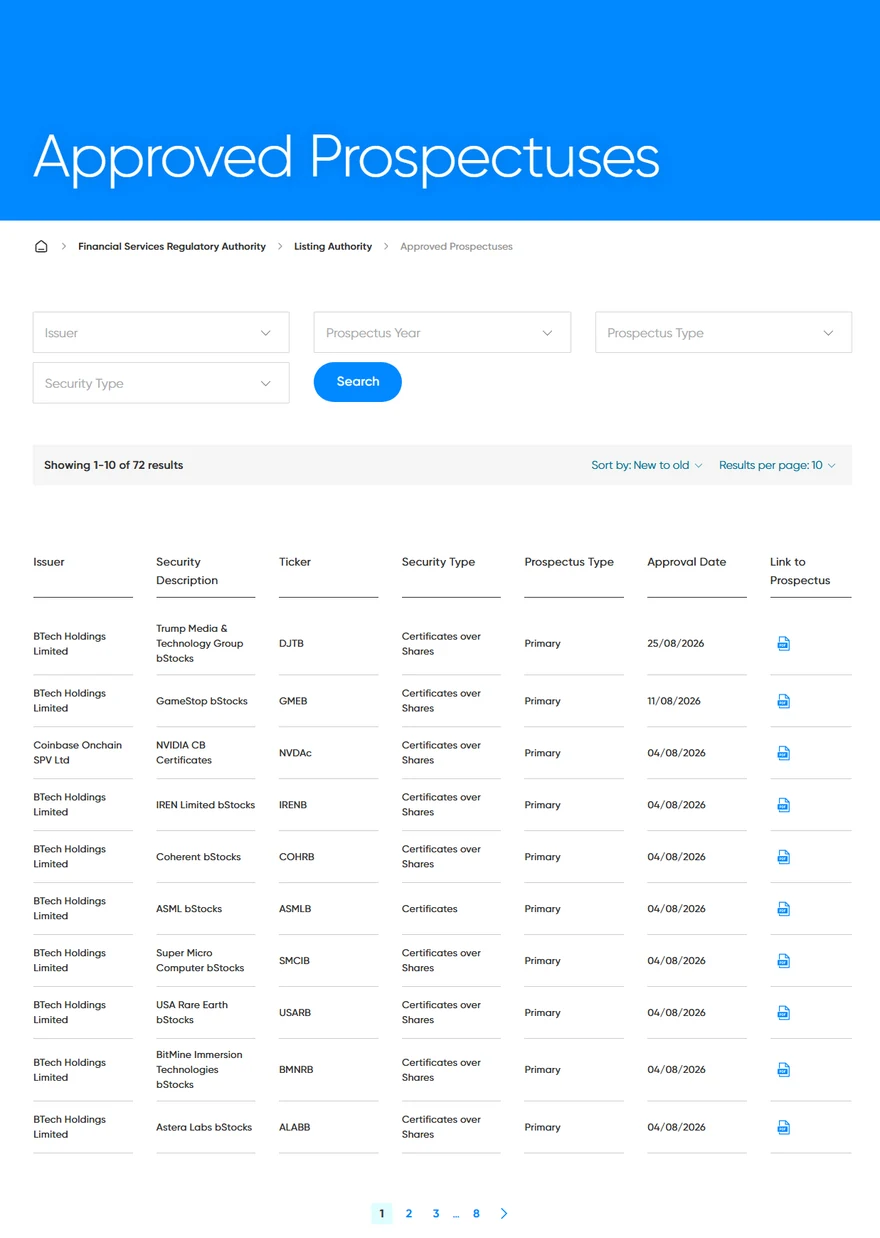
ADGM FSRA ၏ real webpage screenshot။ Screenshot: 2026-08-27. Table သည် approval list ကိုပြခြင်းသာဖြစ်ပြီး သင်ဝယ်မည့် exact ticker ၏ နောက်ဆုံး prospectus၊ supplement နှင့် account eligibility ကိုသီးခြားဖတ်ရသည်။ Official source
ရင်းမြစ်အဆင့်ဆင့်နှင့် ဆုံးဖြတ်မချမီ အတည်ပြုရမည့်အချက်များ
ဆုံးဖြတ်ချက်မချမီ အောက်ပါ evidence ကို အဆင့်လိုက်ပြီးစီးပါ—
- Binance Academy bStocks guide ဖြင့် concept၊ issuer၊ backing နှင့် Multiplier ကိုနားလည်ပါ။ Dated guide ကို current term ဟုမယူပါနှင့်။
- bStocks prospectus library တွင် exact ticker၊ issuer၊ version/date၊ supplement နှင့် risk factors ကိုဖတ်ပါ။
- bStocks transparency page တွင် report date၊ underlying coverage နှင့် stated limitations ကိုမှတ်ပါ။ Periodic proof ကို real-time settlement proof ဟုမယူပါနှင့်။
- ADGM approved prospectuses list တွင် issuer/ticker/security type/approval date ကို cross-check လုပ်ပါ။ Approval သည် suitability သို့မဟုတ် loss protection မဟုတ်ပါ။
- သင့် verified Binance account ၏ exact product screen တွင် symbol၊ status၊ region/account eligibility၊ live quote၊ fee/funding၊ conversion၊ withdrawal နှင့် minimums ကို timestamp နှင့်တကွစစ်ပါ။
အချက်တစ်ခုမကိုက်ခြင်း၊ current document မရခြင်း သို့မဟုတ် exit path မပြည့်ခြင်းရှိလျှင် order မပေးပါနှင့်။
Rights၊ custody နဲ့ exit ကိုစစ်ရန်
Product တစ်ခုချင်းအတွက် အောက်ပါမေးခွန်းကိုစာဖြင့်ဖြေပါ။
- ငါပိုင်သည့် legal instrument ဘာလဲ။
- Underlying asset ကိုဘယ်သူကိုင်ထားသလဲ။
- Dividend/corporate action ကိုဘယ်လိုဆောင်ရွက်သလဲ။
- Market ပိတ်၊ platform pause သို့မဟုတ် account restriction ဖြစ်လျှင်ထွက်လို့ရသလား။
- Wallet သို့ထုတ်နိုင်သလား၊ ထုတ်လျှင် network risk ဘာလဲ။
- Forced liquidation သို့မဟုတ် forced conversion ဖြစ်နိုင်သလား။
- Issuer/broker/platform failure ဖြစ်လျှင် claim ဘယ်လိုရှိသလဲ။
“Price exposure ရတယ်” ဆိုသည်နှင့် “ownership rights တူတယ်” ဆိုသည် မတူပါ။
ရည်ရွယ်ချက်အလိုက် decision path
- Company/fund security ကို brokerage structure အောက်ကိုင်လိုသည် — Binance Stocks/ETF share eligibility၊ custody နှင့် fees ကိုစစ်ပါ။
- On-chain transfer လိုသည် — bStocks legal structure၊ backing၊ BSC contract နှင့် exit liquidity ကိုစစ်ပါ။
- Short သို့မဟုတ် leveraged tactical exposure လိုသည် — Perpetual funding၊ mark price၊ margin နှင့် liquidation ကိုနားလည်မှစဉ်းစားပါ။
- ရည်ရွယ်ချက်က long-term diversified investing — ETF objective၊ holdings၊ expense နှင့် brokerage access ကိုဦးစားပေးပြီး perpetual ကိုအစားထိုးမယူပါနှင့်။
- Product မရှင်းလင်းသေး — Order မတင်ပါနှင့်။ Official terms နှင့် live screen ဖြင့် label ကိုအတည်ပြုပါ။
Order မပေးမီ နောက်ဆုံး checklist
- Product label နှင့် collection မှန်သလား။
- Underlying/full name/ticker မှန်သလား။
- Ownership/rights ကိုကိုယ်ပိုင်စကားဖြင့်ရှင်းနိုင်သလား။
- Settlement/collateral currency ဘာလဲ။
- Total cost ကို entry/holding/exit အလိုက်တွက်ထားသလား။
- Trading hours နှင့် market closure risk ဘာလဲ။
- On-chain network/contract လိုသလား။
- Leverage/funding/liquidation ပါသလား။
- Account/country eligibility အတည်ပြုပြီးသလား။
- Exit route ပိတ်သွားလျှင် plan ရှိသလား။
နောက်ဆုံးဆုံးဖြတ်ချက်ကို product name မဟုတ်ဘဲ ဘာကိုပိုင်ဆိုင်မလဲ၊ ဘယ်သူကထိန်းသိမ်းမလဲ၊ ဘယ်လိုကုန်ကျမလဲ၊ ဘယ်လိုထွက်မလဲ၊ ဘယ်အခြေအနေတွင် အတင်းပိတ်နိုင်မလဲ ဟူသောမေးခွန်းငါးခုဖြင့် ချပါ။