
TradFi Perpetuals
Leverage နဲ့ Liquidation — Trade မဖွင့်မီ Checklist 10 ချက်
Leverage၊ အတင်းပိတ်ခံရမှု၊ stop အကွာအဝေး၊ ဈေးခုန်မှုအတွက် ချန်ထားရမယ့်နေရာနဲ့ အခကြေးငွေကို ဆုံးရှုံးခွင့်ပမာဏထဲ ပေါင်းပြီး ပမာဏသတ်မှတ်နည်း။
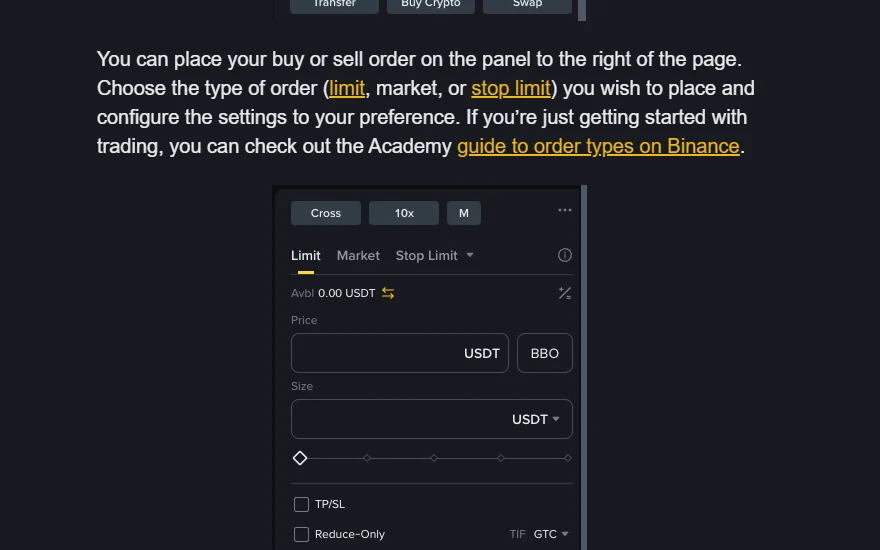
Leverage က capital နည်းနည်းဖြင့် exposure ကြီးစေသလို မှားသောဘက်သို့ရွေ့လျားသည့်အခါ ဆုံးရှုံးမှုကိုလည်း မြန်စေသည်။ Liquidation သည် maintenance margin မလုံလောက်တော့သော position ကို risk engine က အတင်းလျှော့/ပိတ်ခြင်းဖြစ်သည်။ Stop-loss သတ်မှတ်ထားခြင်းတစ်ခုတည်းက liquidation မဖြစ်မည်ဟု အာမခံမပေးပါ။
Binance Academy ၏ perpetual futures guide က initial margin၊ maintenance margin၊ mark price နှင့် liquidation ဆက်စပ်ပုံကိုရှင်းပြထားသည်။ Contract တစ်ခုချင်း၏ live leverage tier၊ margin rule နှင့် liquidation estimate ကို order မဖွင့်မီ သီးခြားပြန်စစ်ပါ။
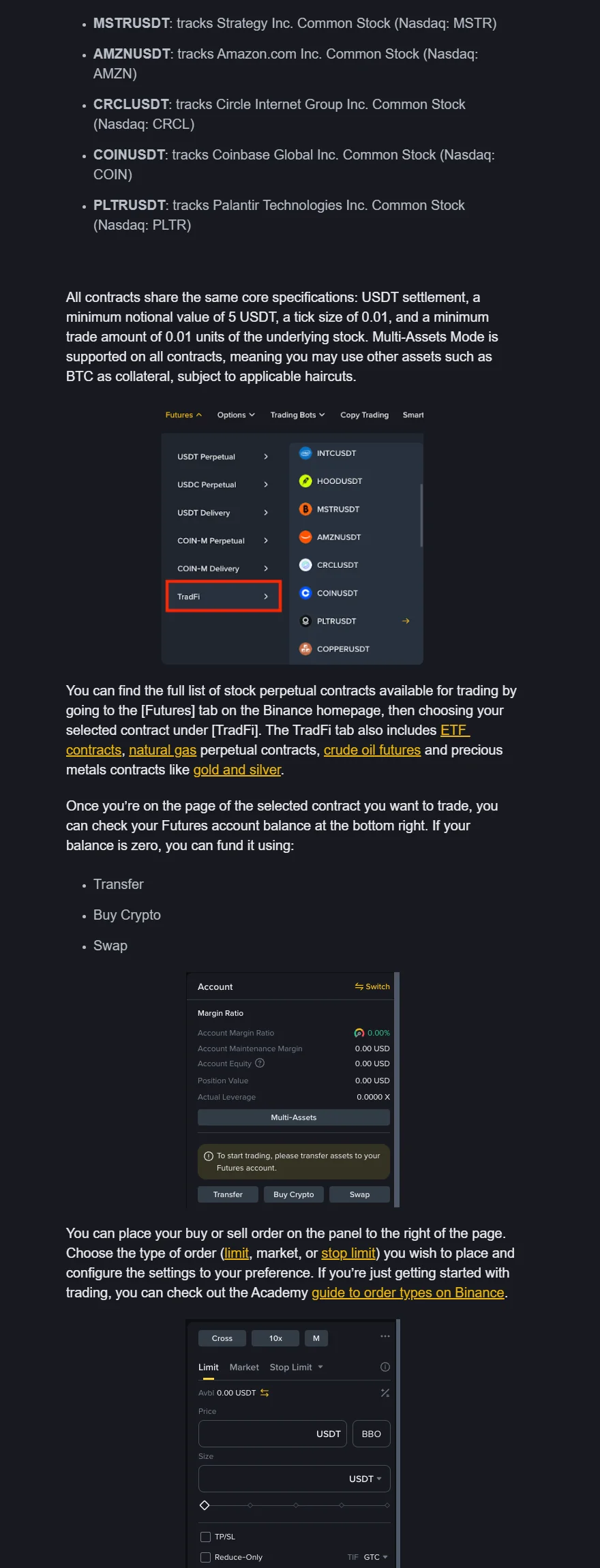
Binance Academy ၏ real Stock Perpetual interface screenshot။ Screenshot: 2026-08-27. 10x သည် screenshot ထဲရှိ UI example သာဖြစ်ပြီး recommendation မဟုတ်ပါ။ Contract tier၊ margin requirement နှင့် liquidation price ကို live calculator မှပြန်စစ်ပါ။ Official source
Leverage ကို နံပါတ်တစ်ခုထက်ပိုပြီးနားလည်ပါ
Position notional = quantity × contract price
Effective leverage = position notional ÷ position ကိုထောက်ပံ့နေသော equity
Margin ratio ကို platform formula အတိုင်းတွက်ပြီး maintenance margin၊ wallet equity၊ unrealized PnL နှင့် fee/funding တို့သက်ရောက်နိုင်သည်။ UI leverage slider က entry setting ဖြစ်သော်လည်း loss သို့မဟုတ် collateral price ပြောင်းလဲခြင်းကြောင့် effective leverage နောက်ပိုင်းတက်နိုင်သည်။
Maximum leverage သည် permission ဖြစ်ပြီး recommendation မဟုတ်ပါ။ Leverage မြင့်လာလေ normal price movement ကိုခံနိုင်သည့် margin of error ကျဉ်းလာလေဖြစ်သည်။
Trade မဖွင့်မီ စစ်ဆေးရန် 10 ချက်
1. Product ကိုမှန်ကန်စွာခွဲပါ
Share လား၊ ETF share လား၊ bStocks tokenized security လား၊ perpetual contract လား။ Futures label၊ leverage slider၊ funding rate သို့မဟုတ် liquidation price မြင်ရပါက share ဝယ်နေခြင်းမဟုတ်ပါ။ Underlying ticker တူသလိုမြင်ရလည်း product terms ကိုဖတ်ပါ။
2. Notional နဲ့ account exposure ကိုရေးပါ
Margin amount ကိုသာကြည့်ခြင်းက exposure ကိုလျှော့မြင်စေသည်။ Position notional၊ Futures wallet equity၊ အခြား open positions နှင့် cross-margin exposure ကိုစာရင်းရေးပါ။
Account exposure ratio = စုစုပေါင်း leveraged notional ÷ Futures account equity
Contract တစ်ခုချင်း leverage နည်းသော်လည်း positions အများအပြားတူညီသော market direction ရှိပါက account-level leverage မြင့်နိုင်သည်။
3. Liquidation price ကို copy မလုပ်ဘဲ နားလည်ပါ
UI estimate ကိုကြည့်ပြီး mark price၊ maintenance margin tier၊ fee၊ funding၊ wallet balance နှင့် collateral haircut ပြောင်းလျှင် estimate ရွေ့နိုင်ကြောင်း သိပါ။ Last price က stop trigger ကိုသက်ရောက်နိုင်သော်လည်း liquidation ကို mark price ဖြင့်တွက်နိုင်သည်။
Liquidation buffer % ≈ |mark price − estimated liquidation price| ÷ mark price × 100
ဤ percentage ကြီးရုံဖြင့် safe မဟုတ်ပါ။ Gap၊ halt သို့မဟုတ် collateral shock က buffer ကိုကျော်နိုင်သည်။
4. Isolated နဲ့ cross ကိုခွဲပါ
Isolated margin သည် position တစ်ခုအတွက်သတ်မှတ်ထားသော collateral ကိုအဓိကသုံးသည်။ Cross margin သည် wallet balance ကို positions အများအပြားမျှဝေနိုင်ပြီး losing position တစ်ခုက အခြား position များကိုထိခိုက်စေနိုင်သည်။
Cross ကို “liquidation မဖြစ်လွယ်” ဟုသာမကြည့်ပါနှင့်။ Account balance ပိုများကို risk ထဲထည့်ထားခြင်းဖြစ်နိုင်သည်။ Multi-Assets Mode တွင် collateral crypto ကျသွားခြင်းနှင့် position loss တစ်ပြိုင်နက်ဖြစ်နိုင်သည်။
5. Maximum loss budget ကို ငွေပမာဏဖြင့်ရေးပါ
Risk budget ကို USDT/MMK ပမာဏနှင့် account percentage နှစ်မျိုးလုံးရေးပါ။ ဤပမာဏဆုံးရှုံးလျှင် နေ့စဉ်အသုံးစရိတ်၊ အရေးပေါ်ငွေ သို့မဟုတ် အကြွေးပြန်ဆပ်မှု ထိခိုက်မထိခိုက် စစ်ပါ။ Borrowed money နှင့် emergency fund ကို leveraged trade အတွက်မသုံးပါနှင့်။
Loss budget ထဲတွင် stop-distance loss အပြင် entry/exit fee၊ spread/slippage၊ funding နှင့် gap allowance ပါထည့်ပါ။
6. Position size ကို stop distance ဖြင့်တွက်ပါ
Linear contract အတွက် planning formula တစ်ခုမှာ—
Allowed quantity ≈ risk budget ÷ (entry price နှင့် stop price ကြား per-unit distance + estimated per-unit costs)
Allowed notional ≈ allowed quantity × entry price
Formula က stop price တွင် fill အာမခံမပေးပါ။ Gap/no-fill allowance ထည့်ပြီး platform quantity step၊ minimum notional နှင့် maintenance-margin tier ကိုလည်းစစ်ပါ။ Stop ဝေးလေ quantity လျှော့ရပြီး leverage slider ဖြင့် risk budget ကိုပြန်ကြီးမလုပ်ပါနှင့်။
7. Funding နဲ့ all-in cost ကိုထည့်ပါ
Estimated funding = interval တစ်ကြိမ်စီ notional × actual/assumed rate ကိုပေါင်းခြင်း
Holding period ဖြတ်သန်းမည့် funding intervals၊ entry/exit fee၊ spread၊ slippage နှင့် conversion cost ကို loss budget ထဲထည့်ပါ။ Current funding rate ကို future အတွက်တည်မြဲမည်ဟု မယူဆပါနှင့်။ Low/normal/stress scenario သုံးခုဖြင့်တွက်ပါ။
8. Event calendar နဲ့ market closure စစ်ပါ
Earnings၊ stock split၊ merger၊ holiday၊ economic data၊ central-bank decision နှင့် trading halt တို့က gap ဖြစ်စေနိုင်သည်။ Underlying stock market ပိတ်ချိန် perpetual ဆက် trade ဖြစ်ပါက basis နှင့် liquidity risk ရှိသည်။ Event risk ကိုမတိုင်းတာနိုင်လျှင် position size လျှော့ခြင်း သို့မဟုတ်မကိုင်ခြင်းက option ဖြစ်သည်။
9. Order type နဲ့ exit mechanics ကိုစမ်းသပ်ပါ
Market၊ limit၊ stop-market၊ stop-limit၊ reduce-only နှင့် trigger price type ကိုနားလည်ပါ။ Close လုပ်သည့် order က position အသစ်ဖွင့်မသွားစေရန် reduce-only ကိုစစ်ပါ။
Stop-market က fill price ကိုမအာမခံ၊ stop-limit က fill ကိုမအာမခံပါ။ Partial fill၊ system latency နှင့် market halt ဖြစ်လျှင် remaining position ဘာဖြစ်မလဲစဉ်းစားပါ။
10. Failure plan ရေးပါ
Internet ပျက်ခြင်း၊ app login မရခြင်း၊ platform maintenance၊ API/grid failure သို့မဟုတ် device loss အတွက် plan ရေးပါ။
- Position နှင့် orders ကိုဘယ်နေရာမှပြန်စစ်မလဲ။
- 2FA recovery လုံခြုံစွာရှိသလား။
- Stop order server-side active ဖြစ်မဖြစ်သိထားသလား။
- Platform unavailable ဖြစ်လျှင် ဘယ် risk ကိုလက်ခံရမလဲ။
- Emergency contact/support channel အစစ်ကိုဘယ်လိုခွဲမလဲ။
Failure plan က guaranteed exit မပေးသော်လည်း panic လျှော့စေသည်။
Position correlation ကို မမေ့ပါနှင့်
QQQUSDT၊ technology stocks နှင့် crypto collateral တို့ကို တစ်ပြိုင်နက် long ထားပါက ticker မတူသော်လည်း risk factor တူနိုင်သည်။ Market sell-off တွင် positions နှင့် collateral အားလုံးတစ်ပြိုင်နက်ကျနိုင်ပြီး cross margin buffer လျင်မြန်စွာလျော့နိုင်သည်။
Portfolio notional ကို symbol အလိုက်သာမဟုတ်ဘဲ sector၊ country၊ currency နှင့် risk direction အလိုက်စုပါ။ Hedge ဟုခေါ်ထားသော short position တောင် basis၊ funding နှင့် size mismatch ကြောင့် full protection မပေးနိုင်ပါ။
Liquidation buffer ဘယ်လောက်ထားသင့်သလဲ
အားလုံးအတွက်တူညီသော နံပါတ်မရှိပါ။ Asset volatility၊ event risk၊ margin mode၊ position correlation၊ collateral နှင့် liquidity ပေါ်မူတည်သည်။ Historical volatility ကိုကြည့်နိုင်သော်လည်း future maximum gap ကိုမအာမခံပါ။
Buffer တိုးရန်နည်းလမ်းများတွင် leverage/quantity လျှော့ခြင်း၊ isolated margin သုံးခြင်း၊ additional collateral ထည့်ခြင်းနှင့် event မတိုင်မီ position လျှော့ခြင်း ပါနိုင်သည်။ Additional collateral ထည့်ခြင်းတစ်ခုတည်းကို အဆုံးမရှိဆက်လုပ်ပါက losing thesis ကိုဖုံးထားနိုင်သဖြင့် thesis-break rule လိုသည်။
Stop-loss နဲ့ liquidation တို့၏ကွာခြားချက်
Stop-loss သည် trader သတ်မှတ်သော exit instruction ဖြစ်ပြီး liquidation သည် risk engine က maintenance margin မလုံလောက်သည့်အခါ forced action ဖြစ်သည်။ Planned stop ကို liquidation price ထက်အလွန်နီးထားလျှင် slippage သို့မဟုတ် mark/last-price difference ကြောင့် liquidation မတိုင်မီထွက်မရနိုင်သည်။
Stop placement ကို arbitrary percentage မသတ်မှတ်ဘဲ thesis invalidation၊ market structure၊ volatility နှင့် risk budget ကိုတွဲကြည့်ပါ။ Stop fill မဖြစ်သော extreme case ကို account-level risk ထဲထည့်ပါ။
Position အရွယ်အစား သတ်မှတ်ပုံ နမူနာတွက်ချက်မှု
အောက်ပါကိန်းများသည် position-sizing method သင်ယူရန် assumptions ဖြစ်ပြီး live product data သို့မဟုတ် leverage recommendation မဟုတ်ပါ။
- Account equity: 10,000 USDT
- Maximum planned loss: 1% = 100 USDT
- Planned entry: 100 USDT
- Technical stop: 97 USDT
- Gap/slippage allowance: 0.50 USDT per unit
- Estimated entry/exit costs: 0.20 USDT per unit
- Quantity step size: 1 unit (ဤနမူနာအတွက်သာ)
- Funding allowance: 0 USDT (next funding timestamp မတိုင်မီပိတ်မည်ဟုယူဆထားခြင်း)
Risk per unit = (100 − 97) + 0.50 + 0.20 + 0 funding = 3.70 USDT
Raw quantity = 100 ÷ 3.70 = 27.027027… units
ဤနမူနာ၏ step size 1 unit အတိုင်း round down လုပ်၍ 27 units ဟုထားပါက planned notional သည် 27 × 100 = 2,700 USDT ဖြစ်သည်။ Contract step size 0.01 ဖြစ်ပါက round-down quantity သည် 27.02 units ဖြစ်မည်။ Live contract ၏ actual step size ကိုသုံးရပြီး round up မလုပ်ပါနှင့်။ Margin 900 USDT ဖြင့်ထောက်ပံ့ထားသည်ဟုယူဆပါက starting effective leverage သည် 2,700 ÷ 900 = 3x ဖြစ်သည်။
Position က funding timestamp ကိုဖြတ်မည်ဆိုပါက 0 funding assumption မသုံးဘဲ expected intervals နှင့် stress funding allowance ကို risk per unit ထဲထည့်ပြီး quantity ကိုပြန်တွက်ပါ။
ဤတွက်ချက်မှုက liquidation price ကိုမထုတ်ပေးပါ။ Live calculator တွင် symbol၊ side၊ entry၊ quantity၊ margin mode၊ leverage tier၊ maintenance margin နှင့် collateral ကိုထည့်ပြီး liquidation price ကိုသီးခြားစစ်ရသည်။ Stop မှ liquidation အထိ buffer မလုံလောက်ခြင်း၊ event gap ကြောင့် 100 USDT loss budget ကျော်နိုင်ခြင်း သို့မဟုတ် step size ကြောင့် round up လုပ်ရခြင်းရှိလျှင် quantity ကိုထပ်လျှော့ပါ သို့မဟုတ် trade မလုပ်ပါနှင့်။
အော်ဒါမတင်မီ အတည်ပြုရမည့်အချက်များ
- Product/symbol နှင့် long/short direction ကိုအတည်ပြုပြီးပြီ
- Isolated/Cross၊ leverage tier နှင့် collateral ကိုရေးထားသည်
- Quantity ကို step size အလိုက် round down လုပ်ထားသည်
- Stop၊ gap/slippage allowance၊ fees နှင့် funding ကို loss budget ထဲထည့်ထားသည်
- Live liquidation calculator ရလဒ်သည် planned stop ထက်လုံလောက်သော buffer ရှိသည်
- Earnings၊ market closure နှင့် macro event ကိုစစ်ထားသည်
- Exit order သည် reduce-only ဖြစ်မဖြစ်နှင့် failure plan ကိုရေးထားသည်
တစ်ချက်မပြည့်လျှင် order မတင်ပါနှင့်။ Stop-loss သည် execution price ကိုအာမခံခြင်းမဟုတ်သဖြင့် loss budget ကို stop distance တစ်ခုတည်းဖြင့်မတွက်ပါနှင့်။
Trade journal မှာ ဘာရေးမလဲ
- Contract၊ side၊ quantity နှင့် notional
- Entry thesis နှင့် invalidation evidence
- Margin mode၊ collateral asset နှင့် haircut
- Effective leverage နှင့် liquidation buffer
- Stop/exit orders နှင့် trigger type
- Expected funding intervals/all-in cost
- Event calendar
- Actual fills၊ fees၊ funding နှင့် slippage
- Plan မှကွာသည့်လုပ်ဆောင်ချက်နှင့်အကြောင်းရင်း
Journal က အမြတ်အာမခံမပေးသော်လည်း loss သည် analysis မှားခြင်း၊ sizing မှားခြင်း သို့မဟုတ် execution မှားခြင်းကြောင့်လား ခွဲရန်ကူညီသည်။
Trade မလုပ်ရန် signal များ
- Borrowed money သို့မဟုတ် emergency fund သုံးနေခြင်း
- Loss ပြန်လိုက်ရန် revenge trade လုပ်လိုခြင်း
- Product၊ funding၊ mark price သို့မဟုတ် liquidation မရှင်းနိုင်ခြင်း
- Region/account eligibility မသေချာခြင်း
- Maximum loss ကို ငွေပမာဏဖြင့်မရေးနိုင်ခြင်း
- Stop/no-fill scenario ကိုမခံနိုင်ခြင်း
- Sleep၊ work သို့မဟုတ် ကျန်းမာရေးထိခိုက်သည့် position size
- Platform unavailable ဖြစ်လျှင် account ပျက်နိုင်ခြင်း
Leverage ကို “အမြတ်မြန်စေသောခလုတ်” မဟုတ်ဘဲ margin of error ကိုကျဉ်းစေသောကိရိယာ ဟုမြင်ပါ။ Position size၊ collateral၊ event risk နှင့် failure plan ကိုမရေးနိုင်သေးလျှင် contract မဖွင့်ခြင်းသည် အကောင်းဆုံး risk control ဖြစ်နိုင်သည်။ ဤအကြောင်းအရာသည် ပညာပေးရန်သာဖြစ်ပြီး leveraged trading အကြံပြုချက် မဟုတ်ပါ။